
Power Your Performance: Nutrition for Active Men
Discover science-backed nutrition strategies designed specifically for athletic men who want to optimize performance, build muscle, and maintain peak energy levels.
The information on this site is for educational purposes only and does not constitute medical advice. Always consult a qualified healthcare professional before making health decisions.
Why Nutrition Matters for Active Men
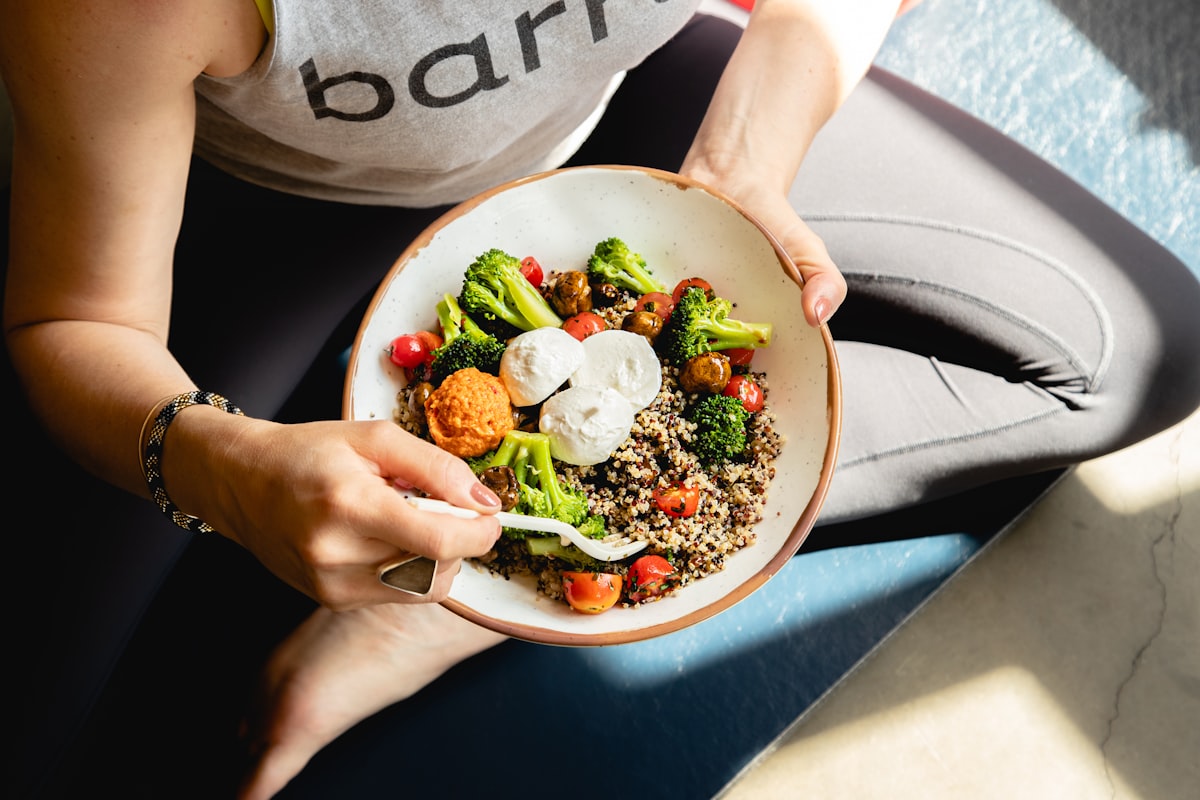
Nutrition is the foundation of athletic performance. For active men, the right balance of macronutrients and micronutrients directly impacts muscle recovery, energy levels, endurance, and overall strength gains. Whether you're training for strength, endurance, or general fitness, your body requires strategic fueling to perform at its best.
Many athletes focus heavily on training but overlook the critical role that proper nutrition plays in achieving results. Without adequate protein for muscle repair, sufficient carbohydrates for energy, and healthy fats for hormone production, even the most intense workouts yield suboptimal outcomes.
Our comprehensive nutrition guides are specifically tailored to the unique metabolic demands of active men, helping you understand how to structure your diet for maximum performance and recovery.
Essential Nutrients for Active Men
Protein for Muscle Building
Adequate protein intake is essential for muscle repair and growth. Active men should consume 1.6 to 2.2 grams of protein per kilogram of body weight daily. This supports recovery after intense training sessions and helps maximize strength gains.
Carbohydrates for Energy
Carbohydrates are your body's primary fuel source during training. Complex carbs from whole grains, legumes, and vegetables provide sustained energy and support high-intensity workouts. Timing carbohydrate intake around training sessions optimizes performance.
Healthy Fats & Micronutrients
Fats support hormone production and anti-inflammatory responses critical for recovery. Vitamins and minerals optimize enzyme function and energy production. Sources include nuts, seeds, fatty fish, and colorful vegetables.
Hydration & Recovery
Water regulates body temperature and delivers nutrients to muscles. Active men often underestimate hydration needs. Proper hydration before, during, and after training enhances performance and supports recovery processes.
Whole Foods Over Supplements
While supplements have a place, whole foods provide nutrients in their most bioavailable forms. Prioritize real foods like lean meats, fish, eggs, grains, and vegetables for comprehensive nutritional support.
Timing & Consistency
When you eat matters as much as what you eat. Consuming balanced meals and snacks throughout the day maintains energy levels and supports consistent training performance over weeks and months.
Meal Prep Inspiration

High-Protein Chicken Bowls
Lean grilled chicken paired with brown rice, roasted vegetables, and a drizzle of olive oil. This balanced meal delivers 40g of protein and sustained energy for recovery.
View Recipe
Omega-3 Salmon Plates
Wild-caught salmon baked with lemon, served with roasted sweet potato and broccoli. Rich in omega-3 fatty acids for anti-inflammatory support and cardiovascular health.
View Recipe
Post-Workout Smoothie Bowls
Blend Greek yogurt, berries, banana, and protein powder for a nutrient-dense post-exercise recovery meal. Top with granola and nuts for added texture and calories.
View Recipe
Lean Beef & Quinoa Meals
Grass-fed beef with quinoa, a complete protein source, and colorful vegetables. Provides iron, zinc, and B-vitamins crucial for athletic performance and energy production.
View Recipe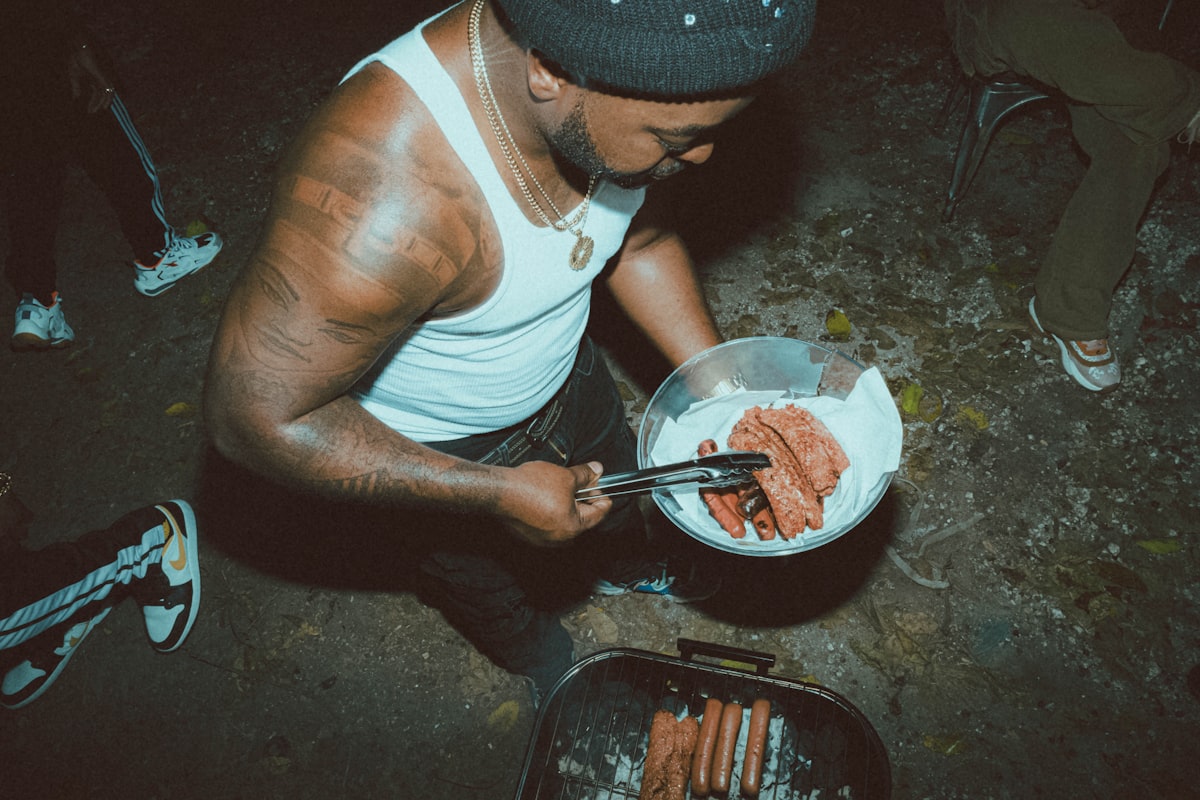
Power Breakfast with Eggs
Whole eggs with whole grain toast and avocado. Provides leucine for muscle protein synthesis and sustained energy throughout the morning training session.
View Recipe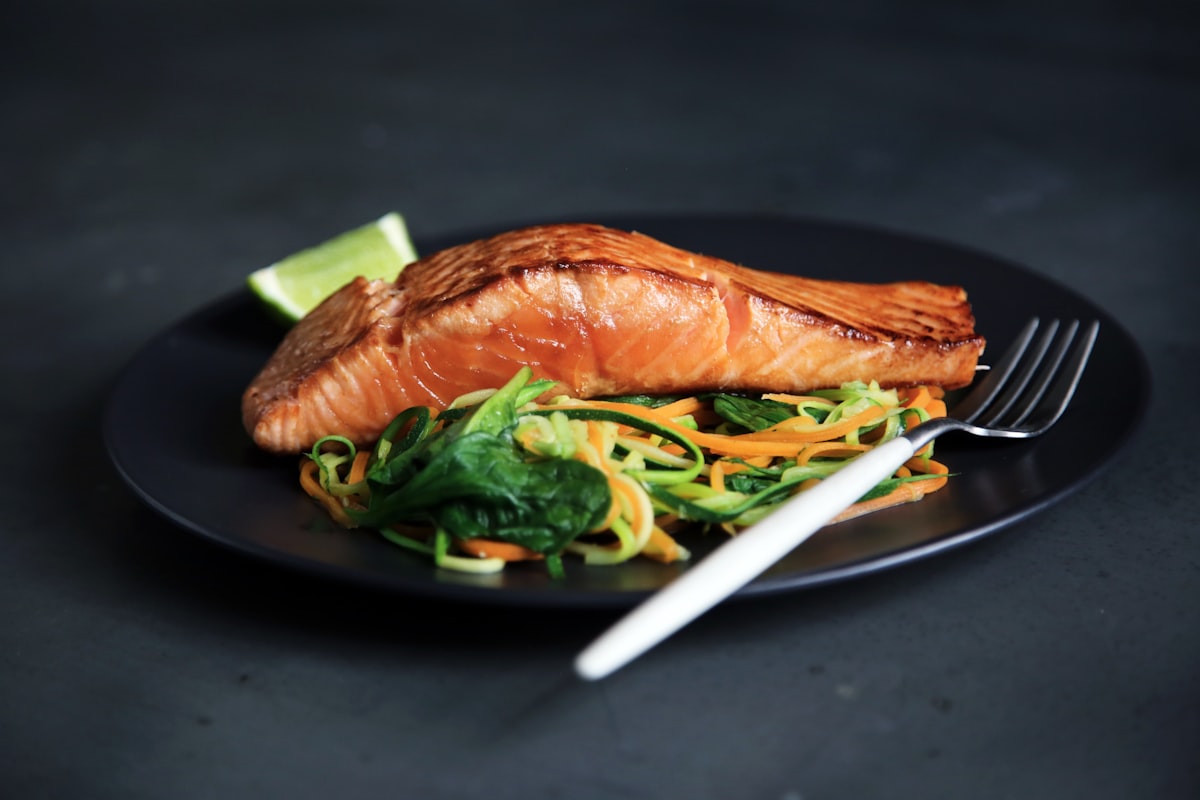
Lean Turkey Stir-Fry
Ground turkey with mixed vegetables and brown rice. Quick to prepare, high in protein, and loaded with micronutrients for sustained performance and recovery.
View RecipeCommon Nutrition Questions
How much protein do I really need?
The International Society of Sports Nutrition recommends 1.6 to 2.2 grams of protein per kilogram of body weight daily for athletes engaged in strength training. This translates to approximately 112 to 154 grams for a 70kg athlete. Spreading protein intake across 4-5 meals optimizes muscle protein synthesis throughout the day, particularly after resistance training.
What should I eat before a workout?
Eat a balanced meal 2-3 hours before training containing carbohydrates, protein, and moderate fat. For a closer workout (30-60 minutes away), opt for a smaller snack like a banana with almond butter or toast with jam. Hydrate with water throughout the morning. This timing prevents digestive discomfort while fueling optimal performance.
Are all carbohydrates bad?
Absolutely not. Complex carbohydrates from whole grains, legumes, vegetables, and fruits are essential for athletic performance. They provide sustained energy, support brain function, and replenish muscle glycogen after training. Simple sugars from processed foods should be limited, but nutrient-dense carbs are a cornerstone of any athlete's diet.
How important is meal timing?
While overall daily calorie and macronutrient totals matter most, strategic meal timing amplifies performance. Consuming carbohydrates and protein within 30-120 minutes post-workout enhances recovery. Similarly, eating balanced meals every 3-4 hours maintains energy and muscle protein synthesis. Consistency across days matters more than perfect timing on any single day.
Should I hydrate differently on training days?
Yes. On training days, increase water intake proportionally to sweat loss. General guidance suggests 400-800ml of fluid every hour during moderate to intense exercise lasting over 60 minutes. Pre-hydrate 2-3 hours before training with 500ml of water, then continue hydrating throughout and after your session to fully rehydrate before the next day.
Can I build muscle on a budget?
Absolutely. Budget-friendly protein sources include eggs, canned tuna, Greek yogurt, cottage cheese, and legumes. Bulk grains, oats, and seasonal vegetables offer excellent carbs and micronutrients at low cost. Focus on whole foods rather than expensive supplements. Strategic meal prep using affordable ingredients is far more effective than sporadic supplement purchases.
Success Stories from Athletes
"I was struggling with energy levels during my afternoon lifting sessions. After implementing the nutrition strategies from these articles, I noticed immediate improvements in my performance. Within eight weeks, I had gained five pounds of lean muscle and my recovery improved dramatically. The meal plans provided practical guidance I could actually follow."
Marcus Schmidt
Vienna, Austria
"As a competitive runner, I always felt I was missing something in my nutrition approach. The articles on carbohydrate timing and hydration strategies completely changed how I fuel my training. My marathon time improved by twelve minutes, and I'm recovering much faster between long runs. This resource has been invaluable for my athletic progression."
Thomas Berger
Salzburg, Austria
"I was overwhelmed by conflicting nutrition information online. These evidence-based articles cut through the noise and gave me clear, actionable guidance. I've been using the meal plans for four months now, and my energy levels are consistent throughout the day. I've also lost body fat while maintaining my strength, which was exactly what I was aiming for."
Daniel Köhler
Innsbruck, Austria
Ready to Transform Your Nutrition?
Explore our comprehensive collection of nutrition articles, meal plans, and science-backed strategies designed specifically for active men in Austria and beyond.
Get Weekly Nutrition Tips
Subscribe to our newsletter for the latest articles, meal prep ideas, and nutrition strategies for active men.
We respect your privacy. Unsubscribe at any time. No spam, just valuable nutrition content.